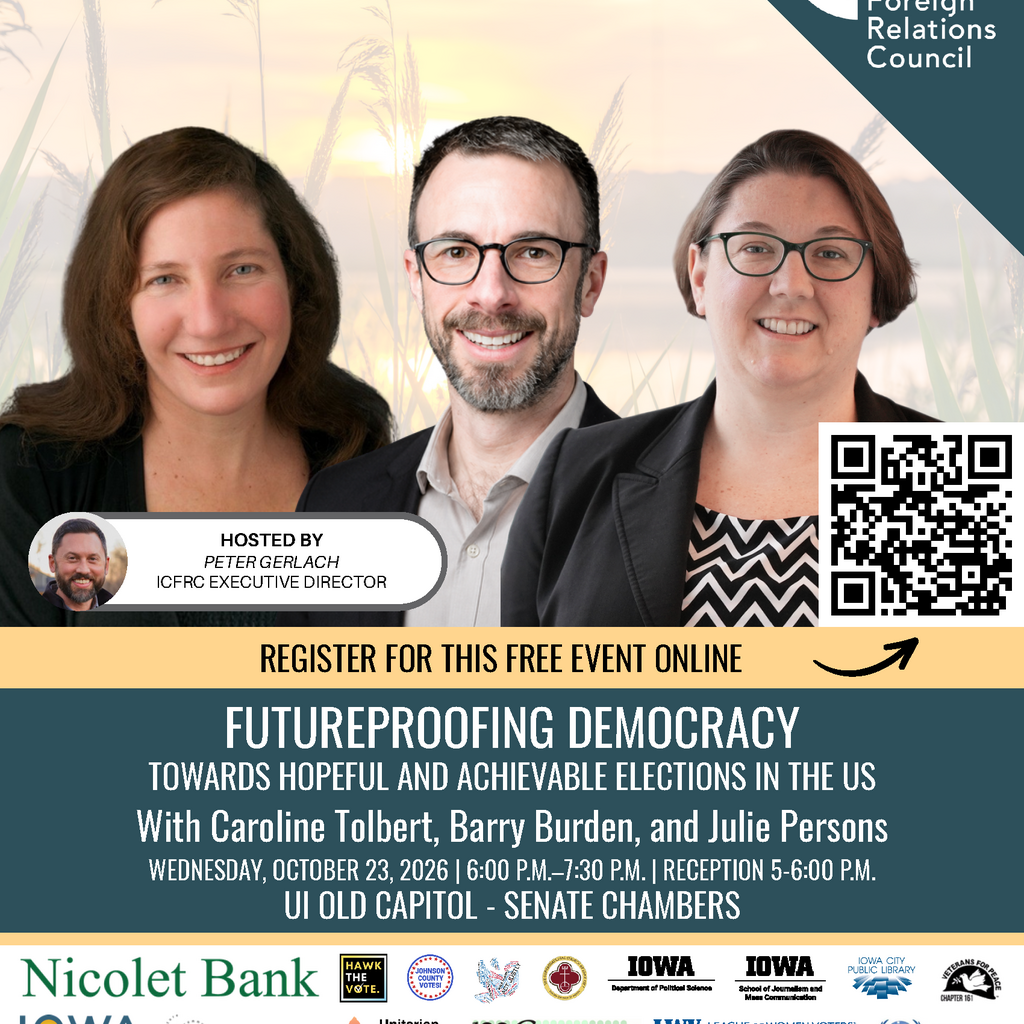
Why Iowa?
A degree in political science or international relations at Iowa is your start to a rewarding career that makes an impact in the world.


See yourself here
At Iowa, you’ll sharpen your research expertise and develop the leadership skills to influence policy, institutions, and democratic practice.

~ 9,000

20 +
2025 data
400 +
2025 data

70 +
2025 data

Write your story
Build knowledge. Conduct research. Create new work. Stand out among your peers. You're going places, and it all starts here.
Shop for Poli Gear
Shop for University of Iowa Department of Political Science swag and merch in our online store.
News and announcements
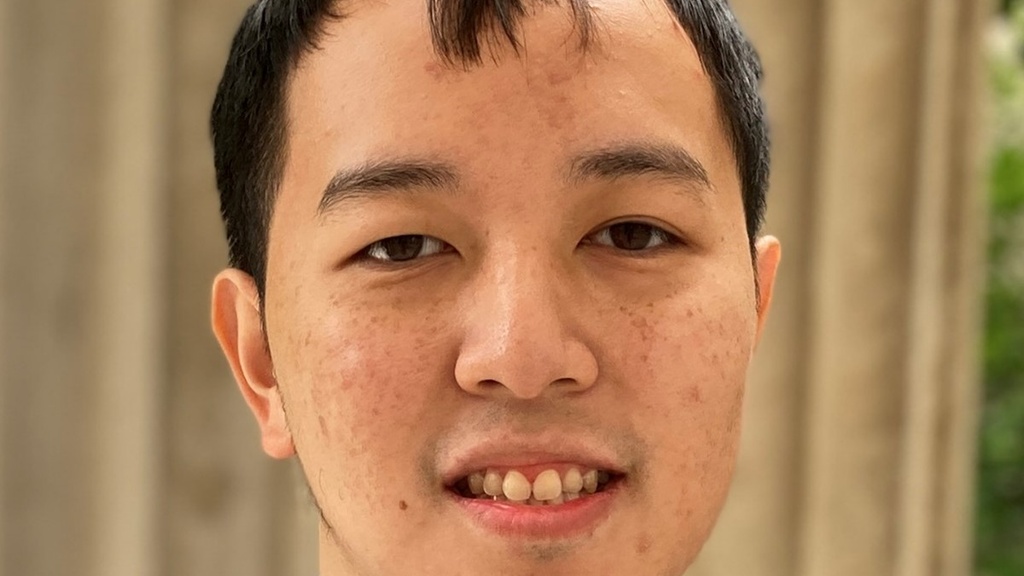
Timothy Yen selected for 2025-2026 Graduate Teaching Fellowship
Thursday, September 24, 2026
Timothy Yen is a PhD candidate in Political Science. He received a BA in Political Science with a minor in Spanish from Trinity University in 2022.

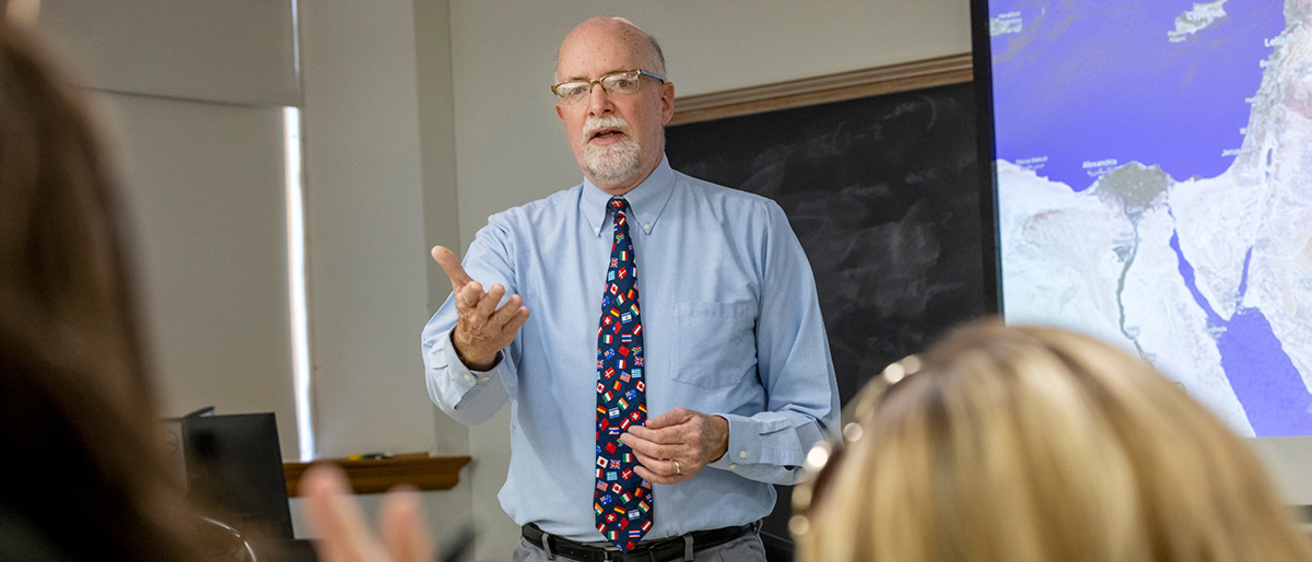
Catch up with longtime CLAS associate professor Ron McMullen
Thursday, September 17, 2026
McMullen is still bringing the world into his classrooms. Having lived, worked, or traveled in 128 countries, he draws on that experience to connect political science to life beyond the classroom.
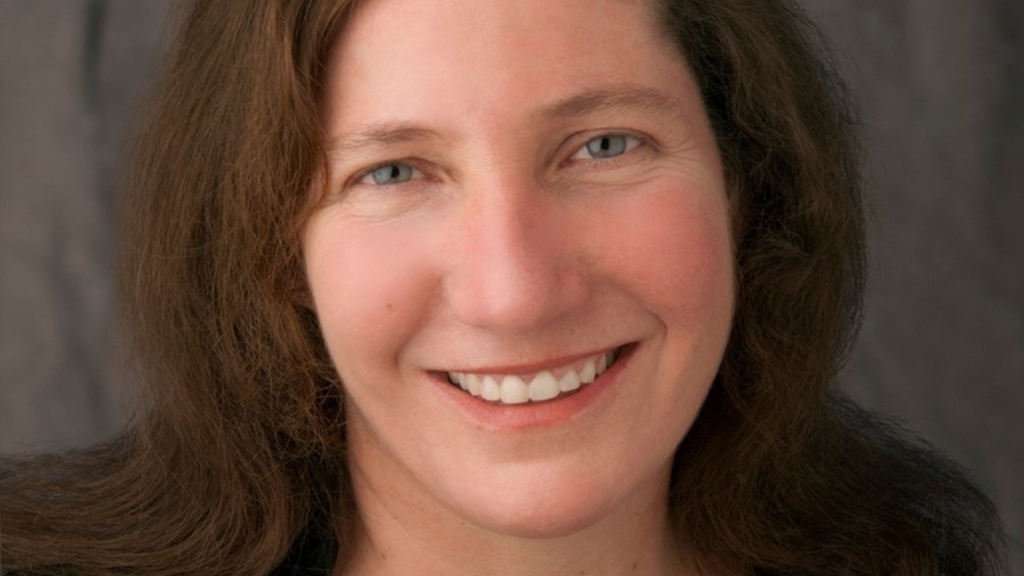
Distinguished professor receives the 2026 Frank J. Goodnow Award
Wednesday, September 9, 2026
Caroline Tolbert is recognized with the Frank J. Goodnow Award for her sustained service to the profession of political science. The award is presented annually by the American Political Science Association.